
 Capricornnews
Introduction
When it comes to the cleanest countries in the world. These nations shines as examples of environmental responsibility innovative sustainable practices and unmatched Urban planning from clean air to efficient water management systems.
They have mastered the art of preserving nature while building thriving livable cities. These nations have set the gold standard you might be shocked by who made the list.
Explore One of the Top 10 Cleanest Countries In The World
01) Finland :

Finland has earned a reputation for its forward thinking environment mental policies and its commitment to maintaining one of the cleanest, most sustainable living environments in the world. The country generates around 40% of its electricity from renewable sources such as wind Solar and biomass.
Finland is also a leader in sustainable forestry with over 75% of its land covered by forest all of which are managed with careful environmental consideration. The country’s forests not only plays a key role in preserving biodiversity but also contributes significantly to the country’s economy through sustainable Timber and paper production.
Finland’s policies aim to balance economic development with environmental preservation ensuring that its natural resources are used responsibly in terms of waste management. Finland boast one of the most effective system in the world more than 90% of its waste is recycled a testament to the country’s focus on a circular economy.
Finland encourages its citizens to reduce waste, reuse products and recycle materials ensuring that as much waste as possible is diverted from landfills. The country’s lake and river are Pristine and 99% of the population has access to safe drinking water. Finland places high importance on water conservation and regularly monitors water quality to prevent contamination air quality in Finland is also exceptional especially in the capital Helsinki.
The country has stringent regulation for industrial emission which help keep PM 2.5 levels low in Helsinki, a comprehensive public transportation network coupled with policies promoting walking and cycling helps reduce air pollution and traffic congestion. Finland is an advocate for sustainable Urban development.
The country has designed its cities to incorporate green spaces and energy efficient buildings contributing to cleaner, healthier urban environment as part of its commitment sustainability. Finland aims to become carbon neutral by 2035 a goal that further aim demonstrate the country’s dedication to a clean sustainable future.
02) Sweden :
Sweden has long been a beacon of sustainability with a focus on renewable energy. Green urban planning and waste management. The country generates about 54% of its electricity from renewable sources including Hydro Power wind and solar. This heavy reliance on green energy has allowed Sweden to significantly reduce its carbon footprint and the country continues to set ambition target to further decreases its dependence on Fossil fuels.
Sweden is a leader in waste being converted into energy. This process reduces the need for landfills while simultaneously generating electricity and heat for homes and businesses. Sweden’s waste management system is renowned for its efficiency. The country has developed a circular economy model where material are reused, recycled or repurposed.
In fact, Sweden import waste from neighboring to fuel its waste to energy plants showing the country’s commitment to minimizing waste. Urban areas such as Stockholm are known for their clean air. Green spaces and sustainable urban design the city is built around public transport systems and pedestrian friendly zones reducing car dependence and air pollution.
Sweden has also implemented strict environmental regulations which governs everything from industrial emission to water quality. The country has made significant progress in preserving its natural resources including maintaining clean drinking water for its citizens around 99.9% of the population has access to portable water.
Sweden is working towards carbon neutrality by 2045 with significant investment in clean technologies and renewable energy infrastructure. The country also places a high value on sustainable agriculture with farmer’s adopting organic method to reduce the environmental impact of food production. Sweden’s commitment to sustainability makes it one of the cleanest countries globally.
03) Japan :
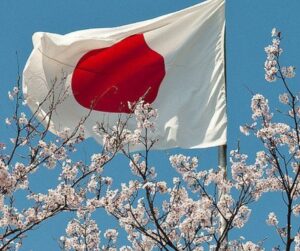
Japan stands at the forefront of environmental consciousness and cleanliness with its advanced technologies and well-established environmental policies. The country is a global leader in waste management recycling over 80% of its waste. Japan has a unique approach to waste disposal which includes incineration for energy recovery and highly efficient sorting system in homes and businesses.
Citizens are required to separates waste into categories like burnable, non-burnable and recyclable ensuring that materials are properly processed the waste to energy programs helps reduce the amount of waste sent to landfills while producing clean energy that powers homes and industries. Japan is a pioneer in the development of renewable energy technologies.
The country generates significant amount of its electricity from solar wind and geothermal energy. Japan is investing heavily in off shore wind farms and solar energy guide aiming to reduce its dependency of fossil fuels. In addition, Japan cities such as Tokyo and Osaka have made impressive strides in clean public transport.
The extensive rail and subways systems use clean technologies and are regularly upgraded to maintain low emissions. Thus keeping urban air quality at optimal levels air quality in Japan is consistently ranked among the best in the world. Strict environmental regulation limit industrial emission while the promotion of electric vehicles and clean energy sources has significantly reduced air pollution in Urban areas.
The country focus on green urban spaces is also notable roofs and treeline streets to promote biodiversity and improve air quality. Japan also has a comprehensive approach to water management. The country’s river and lakes are regularly monitored to ensure that they remain clean and free from pollutants.
Japans water treatment systems are highly effective and citizens enjoys success to some of the cleanest drinking water worldwide. Japan is leading the charge by striving for carbon neutrality by 2050. The government has implemented a series of measures to reduced emission across sectors including energy transportation and industry through innovation and strict regulation. Japan continues to make strides towards creating a greener future for its citizens.
04) Switzerland :
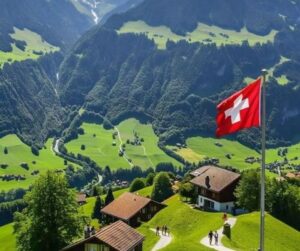
Switzerland stands as a shining example of environmental stewardship with a deep commitment to sustainability and cleanliness a big portion of the country’s energy comes from renewable sources with nearly 60% of its electricity generated by Hydro power. This clean energy production combine with the country’s commitment to preserving its pristine landscape makes Switzerland one of the greenest nation in the world.
Switzerland’s efficient waste management system is a key factor contributing to its cleanliness. The country has the highest recycling rates globally with 52% of waste being recycled. This success is due to Switzerland advanced separation system which encourage citizens to sort their waste meticulously.
In addition to recycling, Switzerland has a robust waste energy program which converts non-recyclable waste into usable energy, thus reducing landfill waste air quality is also a point of pride in Switzerland. The country has stringent regulation to control emission from both industry and transportation which helps maintain clean air across its cities Zurich Geneva and other Swiss cities routinely rank among the cleanest in Europe.
These cities are designed with public transportation in mind reducing the number of cars on the roads and minimizing air pollution. Switzerland government places a high value on preserving its water resources. The country has some of the purest drinking water in the world with 99.9% of the population having access to safe clean water.
New building are designed with energy efficiency in mind incorporating solar panels and Eco-friendly material. Switzerland’s approach to environmental conservation goes beyond the urban environment. The country has a long standing tradition of nature preservation with over 1500 protected nature reserves spread across the country.
The Switzerland often viewed as the country’s crown jewels are carefully protected to maintain their environmental integrity. The commitment to a sustainable future is evident in Switzerland’s ambition goals to reduce carbon emission and increase the uses of renewable energy. Their dedication to sustainability coupled with its world class waste management and air quality standards solidifies Switzerland as one of the cleanest countries on the planet
05) Norway :
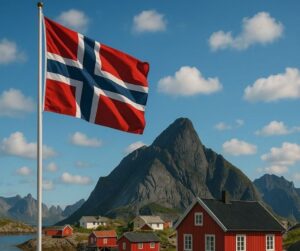
Norway is often ranked among the cleanest countries in the world. Thanks to its commitment to sustainability and environmental preservation, the country generates almost 100% of its electricity from renewable sources particularly Hydro power and is one of the leading nation in terms of green energy production.
Norway’s extensive reliance on hydro power is complemented by its efforts to reduce carbon emission. The government has set ambitious target to cut emission by 50% by 2030. A goal it is striving to achieve through green technology and clean energy initiative. Norway is a global leader with over 40% of its waste being recycled and converted into Bio gas other renewable energy form.
Norway cities including the capital have been designed with sustainability in mind featuring efficient public transport systems and green building that use renewable energy. In addition, to this Norway promotes zero emission vehicles with more than 54% of new car sales being electric making it the world leader in the adoption of electric cars.
This has had a significant impact on reducing air pollution and ensuring clean cities. Norway’s focus on conserving natural resources is another pillar of its environmental policies, the country has a protect its water resources can have access to clean safe drinking water.
The government also places high importance on biodiversity conservation with numerous national parks and protected areas throughout the country. These efforts helps to maintain the health of Norway ‘s pristine natural landscape which are central to its identity. Norway’s ongoing efforts to embrace sustainable living and green technology make it one of the cleanest countries in the world.
06) Denmark :
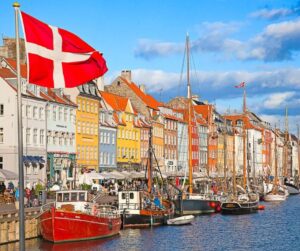
Denmark is widely recognized as one of the cleanest and most sustainable countries in the world. Thanks to its innovative policies on renewable energy and waste management. The country generates over 50% of its electricity from renewable sources, wind power which has made it a global leader in mind energy technology.
Denmark is home to some of the largest off shore wind farms and its aim to be carbon neutral by 2050. The country’s focus on renewable energy is complemented by its commitment to green urban plan, planning in cities like Copenhagen. The government has investment having in bicycle infrastructure and public transport to reduce car usage resulting in one of the most cyclist friendly cities in world.
Denmark also stands out for its waste to energy programs. The country has an advanced waste management systems where approximately 50% of its waste is converted into energy, this not only reduces the environmental impact of waste but also provides clean energy to home and businesses.
In addition to recycling Denmark practices circular economy principle focusing on reusing material and products. The country has an excellent records in managing its water resources. Denmark’s drinking water is some of the cleanest in the world and the government has strict regulation in place to protect its water sources from contamination air quality is another where Denmark excels with Copenhagen consistently ranking as one of the cleanest capital in Europe.
The country’s strict environmental regulation and the growing adoption of electric vehicle are helping to reduce pollution levels. The Danish government has also incentivized the use of electric bikes and public transportation further promoting a low carbon lifestyle.
Denmark’s commitment to sustainability is also reflected in its green architecture and efforts to make building more energy efficient. Denmark continues to set ambition goal in terms of sustainability and its focus on clean energy waste management and eco friendly urban planning. Plan places it among the world’s cleanest nation.
07) Austria :
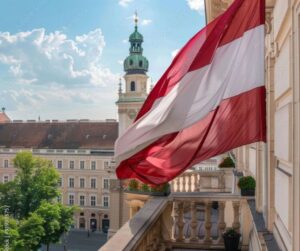
Austria is widely regarded as one of the cleanest countries in the world, excelling in air quality, waste management and the preservation of natural landscape. The country produces around 60% of its electricity from renewable sources including Hydro Power solar and wind energy.
Austria’s commitment to renewable energy is reflected in its ambition goals to reduced carbon emission by 50% by 2030 with vast mountain and forest. Austria also focuses on protecting its natural environment though extensive conservation programs as a result the country is home to Pristine landscapes and clean air in cities like Vienna where green spaces and public parks are abundant.
Austria’s waste management system is among the most efficient in Europe. The country has a high recycling rate of around 58% and municipalities have strict regulation regarding waste sorting most of Austria’s waste is either recycled or converted into energy through waste to energy plant helping to reduce the Volume of land filled waste.
The city of Vienna has also been recognized for its excellent public transportation system which promotes eco friendly commuting and reduces urban air pollution. In addition, Austria boast one of the most energy efficient building codes in Europe with many buildings incorporating solar panels and green technologies.
The country places emphasis on water quality and its resident enjoy some of the cleanest drinking water in Europe sourced from Alpine Glacier. Austria’s commitment to sustainability extends to ecotourism where visitors are encouraged to experience nature responsibility and minimize their environmental impact. The government’s green policies and ecofriendly infrastructure make Austria’s one of the leading countries when it comes to environment sustainability and cleanliness.
08) Iceland :
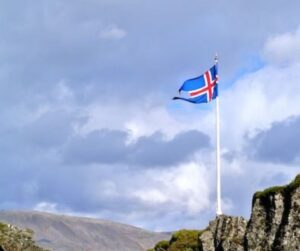
Iceland is a true standout when it comes to cleanliness and environmental sustainability. The country generates almost 100% of its electricity from renewable sources geothermal energy and Hydro power. This makes Iceland one of the most sustainable energy users in the world.
The country’s reliance on clean energy helps it to minimize its carbon footprints and maintain in Pristine environment. Iceland also has a unique approach to waste management with around 99% of its waste being recycled. The country has developed a highly efficient waste disposal and sorting system with an emphasis on reducing waste scent to land fills.
Iceland’s commitment to clean water is another defining features, the country’s water is known for being some of the purest water in the world. Thanks to its volcanic Filtration system. Iceland’s citizens enjoy clean fresh water that is not only accessible but also free from contamination.
The country’s extensive geothermal resources also plays a role in maintaining clean water by providing an environmentally friendly heating system for home and businesses. Iceland is also famous for its unspoiled natural beauty including glacier, Volcanoes. The country’s efforts to protect its natural landscape through national parks and preservation programs ensures that its environment remain intact for generation to come.
In addition, to its sustainable energy practices Iceland is also a leader in ecotourism, The country’s promotes responsible tourism which includes protecting fragile ecosystem and ensuring that tourists leaves a minimal environmental impact.
Iceland’s dedication to environmental conservation is exemplified in its clean cities where sustainable building practices and green spaces are prioritize, the government has set ambitious goals to reduce green house gas emission and move towards carbon neutrality. Iceland’s remarkable combination of clean energy use waste management and water quality makes ita true leader in environmental sustainability.
09) Luxembourg :
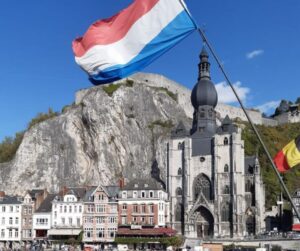
Luxembourg a small mighty country in Europe has established itself as a global leader in environmental sustainability and cleanliness despite its small size Luxembourg has implemented a range of environmental policies that have made it one of the cleanest countries in the world.
The country is a front runner in waste management with a recycling rate of over 40% and an extensive network of recycling bin and collection systems that makes it easy for residents to properly dispose of their waste. Luxembourg’s government places a strong emphasis on waste to energy programs which convert waste into useful energy to power homes and businesses.
Luxembourg’s commitment to renewable energy is equally impressive over 60% of the country’s electricity is sourced from renewable sources in including wind and solar energy. The country is working towards achieving carbon neutrality by 2050 and initiative such as green building standards and sustainable transportation are helping to reduce its carbon footprints in terms of air quality.
Luxembourg has some of the cleanest air in Europe thanks to its low emission zone and stringent vehicle emission standard. The country’s urban planning is also note worthy with a focus on green spaces, public transportation and ecofriendly building.
Luxembourg city, the country’s capital is known for its extensive public transport system which includes buses trans and bicycles helping to reduce traffic congestion and air pollution. The city is also renowned for its green rooftops and sustainable infrastructure making it a models of Urban sustainability.
Luxembourg’s dedication to water quality is equally impressive, the country’s drinking water is some of the cleanest in Europe and its river and lakes are carefully protected through environmental regulation with a focus on preserving natural resources recycling and clean energy adoption. Luxembourg continues to lead by example in global efforts towards sustainability and cleanliness.
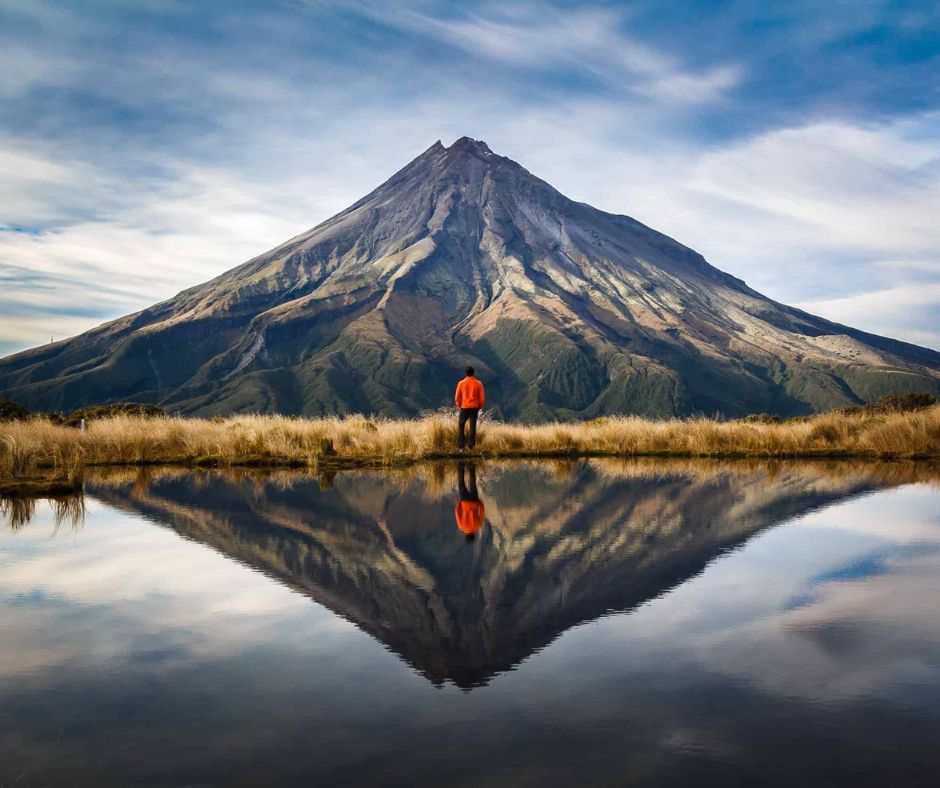
10) New Zealand :

New Zealand is often Heralded for its commitment to environmental sustainability and its clean green image. The country is powered largely by renewable energy with 80% of its electricity coming from hydro power geothermal energy and wind power. This trust in green energy helps reduce its carbon emission and minimize its environmental footprint.
New Zealand has also made significant strides in waste management. The country cities in town have highly effective, recycling systems and urban waste recycling rates are consistently high, in fact Auckland and Wellington have been recognized for their effective waste diversion programs.
New Zealand is known for its clean water resources with some of the purest drinking water in the world. The country has implemented strict regulation to protect its water from pollution ensuring that both urban and rural areas have access to clean fresh water. This is particularly important given.
New Zealand’s reliance on its natural landscape for agriculture and tourism speaking of its natural landscape for agriculture and tourism speaking of its natural beauty. New Zealand has long been a leader in ecotourism.
The country promotes sustainable tourism practices encouraging visitors to respects the environment and minimize their ecological footprint national park and protected areas cover a significant portion of the country ensuring that its natural landscape are preserved the government has introduced policies that promotes organize farming reduce the use of chemical fertilizers and protect local ecosystems.
This approach has helped New Zealand maintain its reputation as a clean and green country while supporting a thriving agricultural sectors through a combination of clean energy effective waste management and a focus on sustainable agriculture and ecotourism. New Zealand continues to rank as one of the most environmentally conscious countries in the world.
Explore Related Informative Articles
01) 12 Famous and Most Mysterious Temples In India
02) 12 Famous Buddhism Temples Around The World